Category: Science

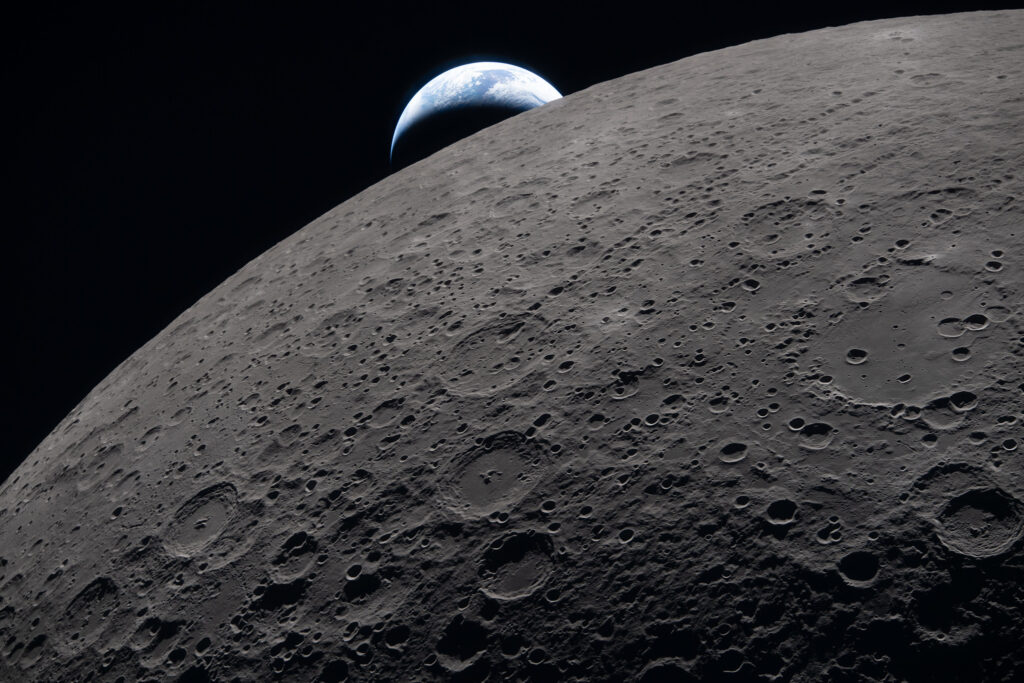
Artemis II – Earthset

The imagery coming back from the Artemis II mission is phenomenal. This photo of the Earth setting behind the moon is one for the ages. Check out more photos at the Artemis II multimedia page on Flickr.

The lunar surface fills the frame in sharp detail, as seen during the Artemis II lunar flyby, while a distant Earth sets in the background. This image was captured at 6:41 p.m. EDT, on April 6, 2026, just three minutes before the Orion spacecraft and its crew went behind the Moon and lost contact with Earth for 40 minutes before emerging on the other side.

In this image, the dark portion of Earth is experiencing nighttime, while on its day side, swirling clouds are visible over the Australia and Oceania region. In the foreground, Ohm crater shows terraced edges and a relatively flat floor marked by central peaks — formed when the surface rebounded upward during the impact that created the crater. Credit: NASA
Santa Barbara Ig Nobel Presentation

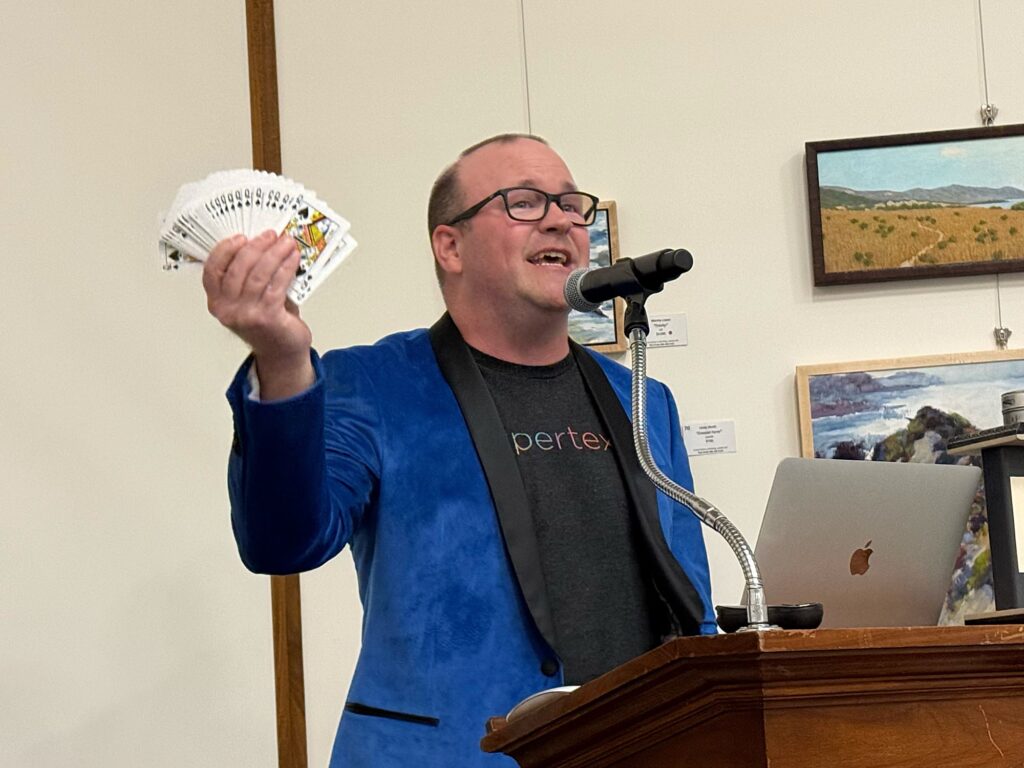
It isn’t every day that Marc Abrahams, founder of the Annals of Improbable Research and creator of the Ig Nobel prize, stops by your small town on the California coast.

Even more rare is when he invites you to give a presentation.

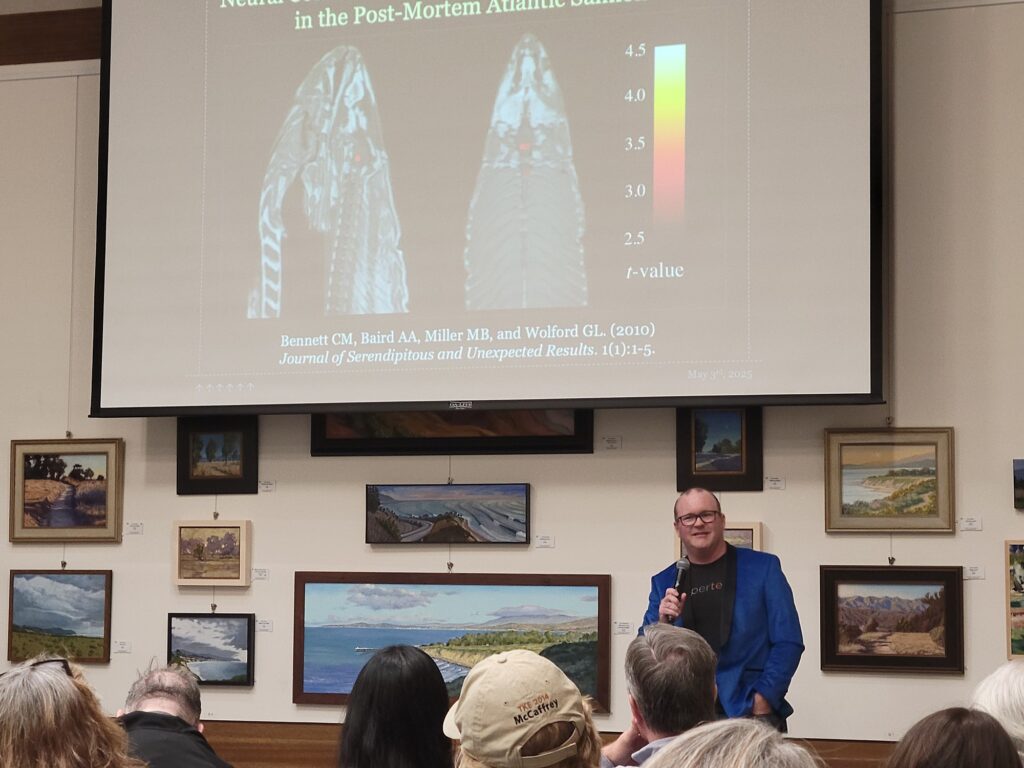
Had a great time on Saturday retuning to my academic roots and, once again, answering the question of what a dead salmon has to do with the principled control of false positives in neuroimaging.

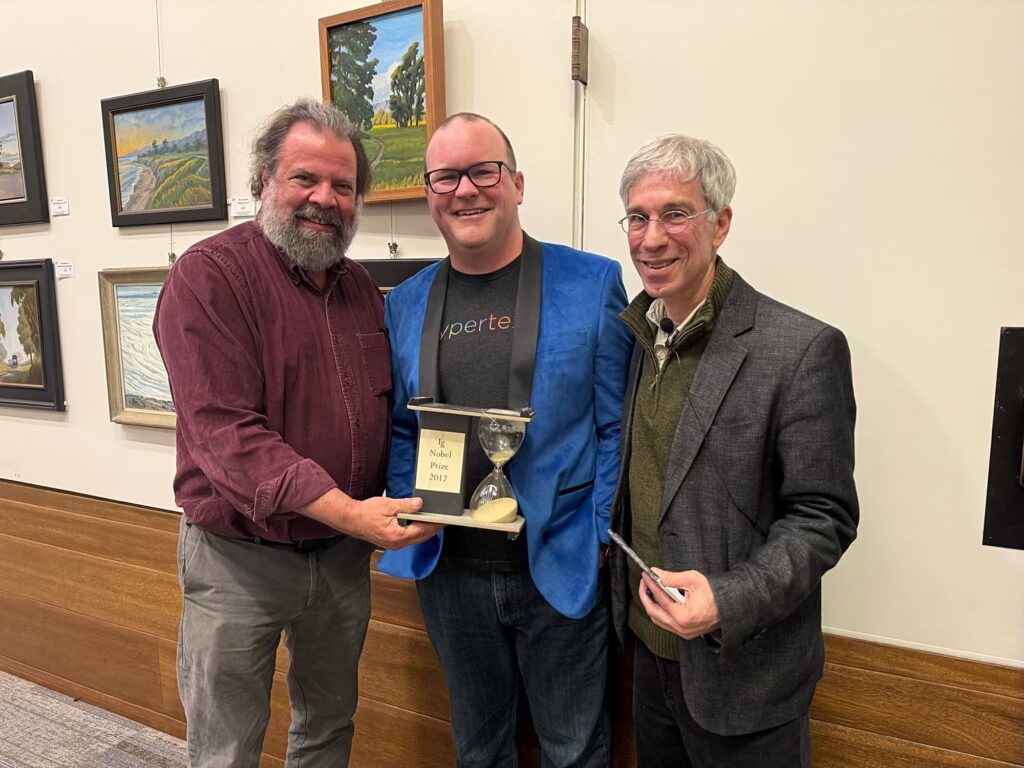
From left to right: Michael Miller (my postdoc advisor), me, and Marc Abrahams. I brought the original 2012 Ig Nobel prize to the presentation. It usually sits at home above our fireplace.

Question what is “impossible”

I’ve been an aerospace geek since, well, always. In the great book of life there is a value representing the excessive number of times I watched the movie Top Gun as a child. There is another extreme number for the count of crazy Lego spacecraft I have built. I probably don’t want to know the number of dollars spent on pilot training, but anyway…

It is in that context that I feel compelled to tip my hat in the direction of SpaceX on their successful “catch” of the Starship first stage on October 13th.

That was the equivalent of a 20-story building maneuvering to a precision landing and being caught by a pair of manipulator arms. Absolutely unreal.

The last time I felt that level of aerospace exuberance was when SpaceX simultaneously landed two Falcon Heavy boosters at the same time. I watched that scene in a conference room with about 20 other software engineers, who were all going crazy with excitement at what we had witnessed.

Stay hungry, stay foolish SpaceX.

Video and launch details: https://www.spacex.com/launches/mission/?missionId=starship-flight-5

Aurora are epic as well

Space Weather Message Code: ALTK09
Serial Number: 6
Issue Time: 2024 May 10 2334 UTC

ALERT: Geomagnetic K-index of 9o 
Threshold Reached: 2024 May 10 2254 UTC
Synoptic Period: 2100-2400 UTC

Active Warning: Yes
NOAA Scale: G5 - Extreme

...

Aurora - Aurora may be seen as low as Florida to southern Texas and southern California.

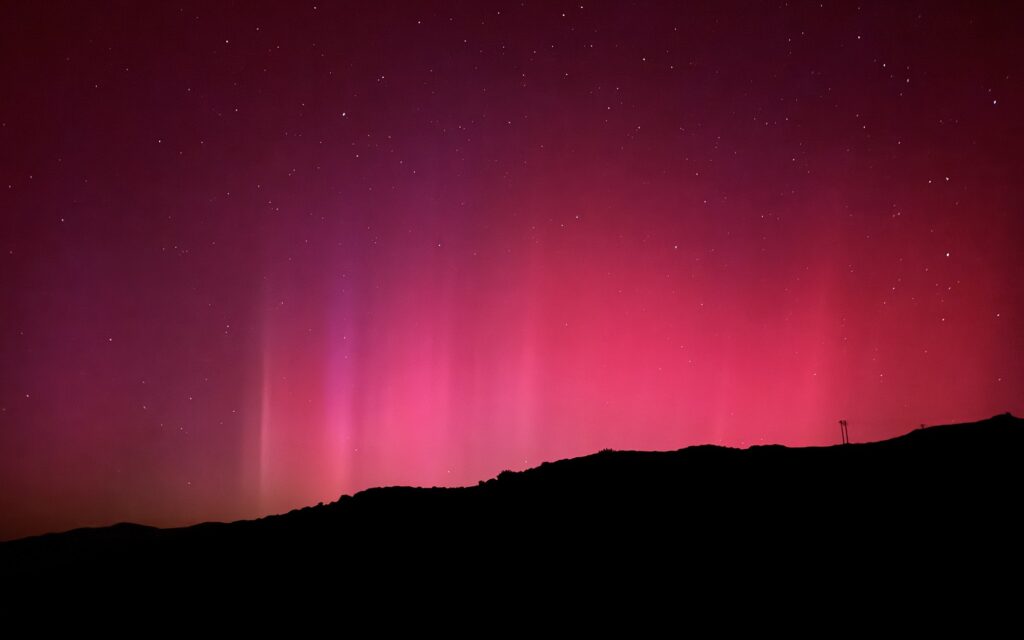
The Space Weather alert by NOAA was no joke. Aurora could be seen in southern California with the naked eye, and the long-exposure photos were incredible. We had to head up into the hills to get above the marine layer in Santa Barbara, but it was totally worth it.

Total eclipses are epic

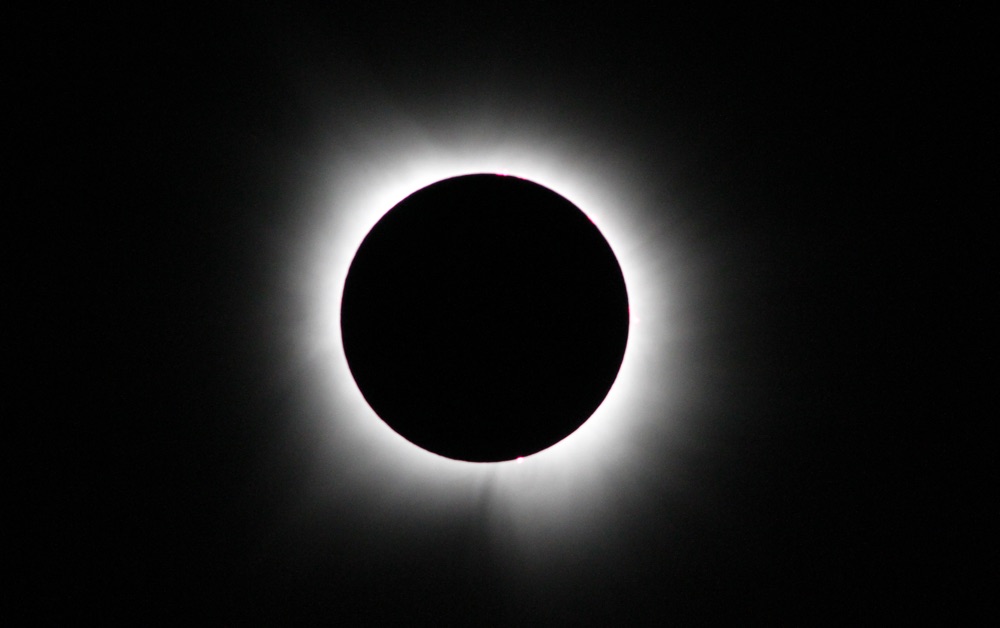
It took a lot of prep, but I got the photos I wanted of the 2024 total eclipse. It also helps to have luck on your side, which you can facilitate by taking 670 shots of the eclipse over several hours…

The weather in Dallas was right on the edge in the weather models, and it was totally overcast in the morning. By the time the eclipse started the skies were partly cloudy. When totality hit the skies were almost clear. What a wonderful experience to share with several hundred people in Turtle Creek Park. Definitely a bucket list item if you can make it happen in your lifetime.

Getting ready for the April 2024 total eclipse

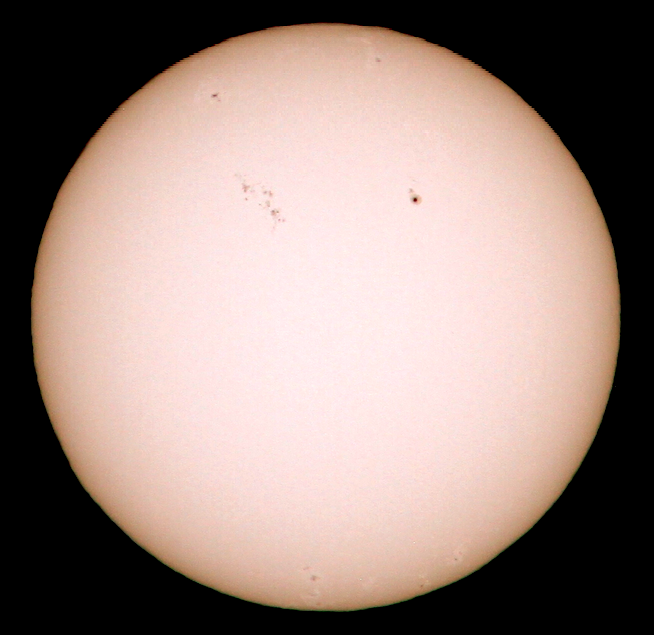
Practice makes perfect. Will be in Dallas next month for the big event. Look at the sunspots!

Equipment: Canon 7D, 400mm f5.6 lens, 1.4x teleconverter, with a NiSi PRO Nano ND100000 neutral density filter. That provides the equivalent of a ~900mm lens with the APS-C sensor crop factor. I used an external HDMI monitor for positioning and focus since I really love having healthy retinas…